Waste Water Heat Recovery for Showers
The Warm Homes Plan

Why showers and hot water matter more than ever
An opinion piece by Ellis Maginn, Head of Technical at Recoup
The recent publication of the Warm Homes Plan by the Department for Energy Security and Net Zero feels like a genuine turning point for the UK housing and retrofit sector. With £15 billion committed through to 2030, it is the largest public investment in home upgrades we’ve ever seen, and, importantly, it provides the long-term certainty the industry has been calling for.
Much of the attention so far has understandably focused on heat pumps, solar and heat networks. These technologies are essential. But in my view, there is another part of the story that deserves far more attention: hot water – and especially showers.
A system-level reset, not just a funding announcement
What stands out about the Warm Homes Plan is not just the scale of funding, but the clarity of direction. Universal support for clean heat, new low- and zero-interest loans, targeted retrofit for low-income households, stronger minimum standards in the private rented sector, and the arrival of the Future Homes Standard in 2026 all point to the same conclusion.
This is an “efficient first” reset of how homes are upgraded.
The Plan also backs this ambition with serious delivery funding, for manufacturing, innovation, installer training and heat networks, alongside the creation of a new Warm Homes Agency to improve coordination and consumer confidence. Taken together, this is the framework the sector has been asking for.
Why hot water is central to decarbonising homes
One of the most important signals in the Plan is its recognition that around two-thirds of residential emissions come from space heating and hot water combined. As insulation improves and space-heating demand reduces, hot water becomes an increasingly dominant part of household energy use.
Showers sit right at the heart of this shift.
They are one of the largest daily users of hot water, they drive peak demand in the morning and evening, and they directly influence heat-pump sizing, system performance and running costs. They are also fundamental to comfort, particularly in social housing, rented homes and new build, where reliable hot water is non-negotiable.
As we move toward low-temperature systems, heat pumps, heat networks and time-of-use tariffs, the way we manage hot water demand becomes critical, not just for carbon reduction, but for affordability and system stability.
Demand reduction is where the biggest gains are made
What I find encouraging about the Warm Homes Plan is its implicit preference for measures that are low-cost, repeatable and deliver immediate value. Although not explicitly named, the Plan clearly favours demand reduction over expensive upgrades to infrastructure.
This is exactly where waste water heat recovery for showers fits.
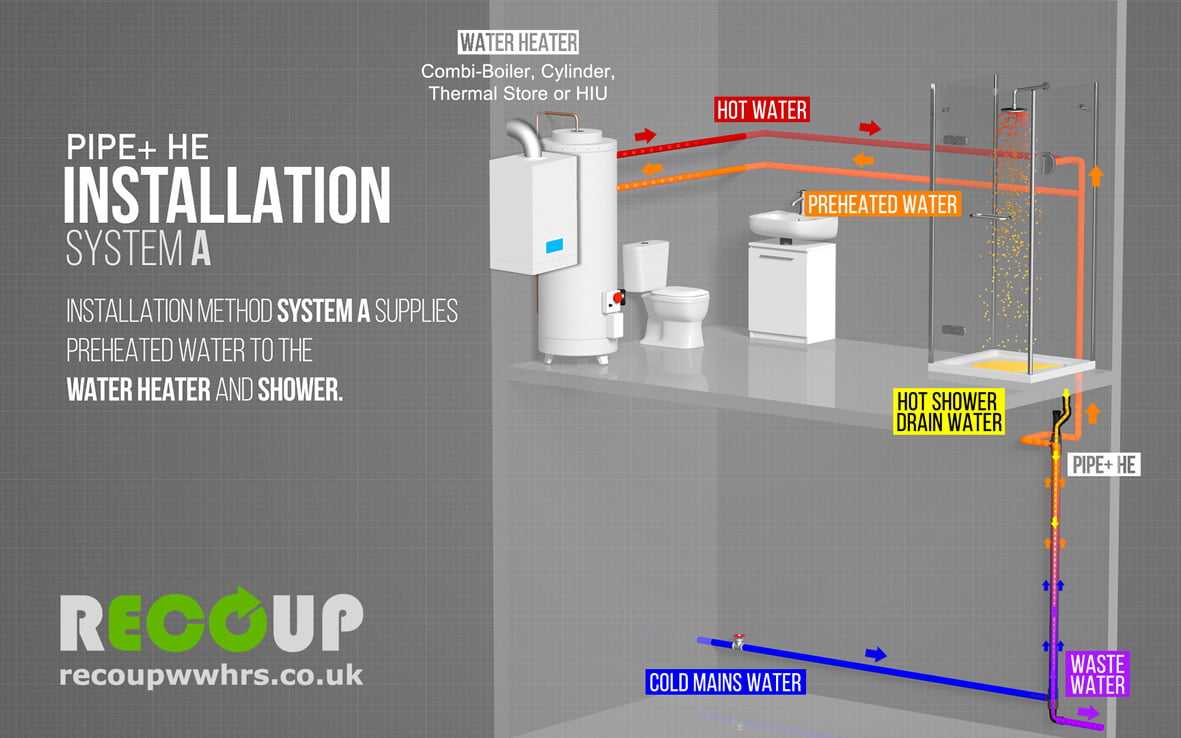
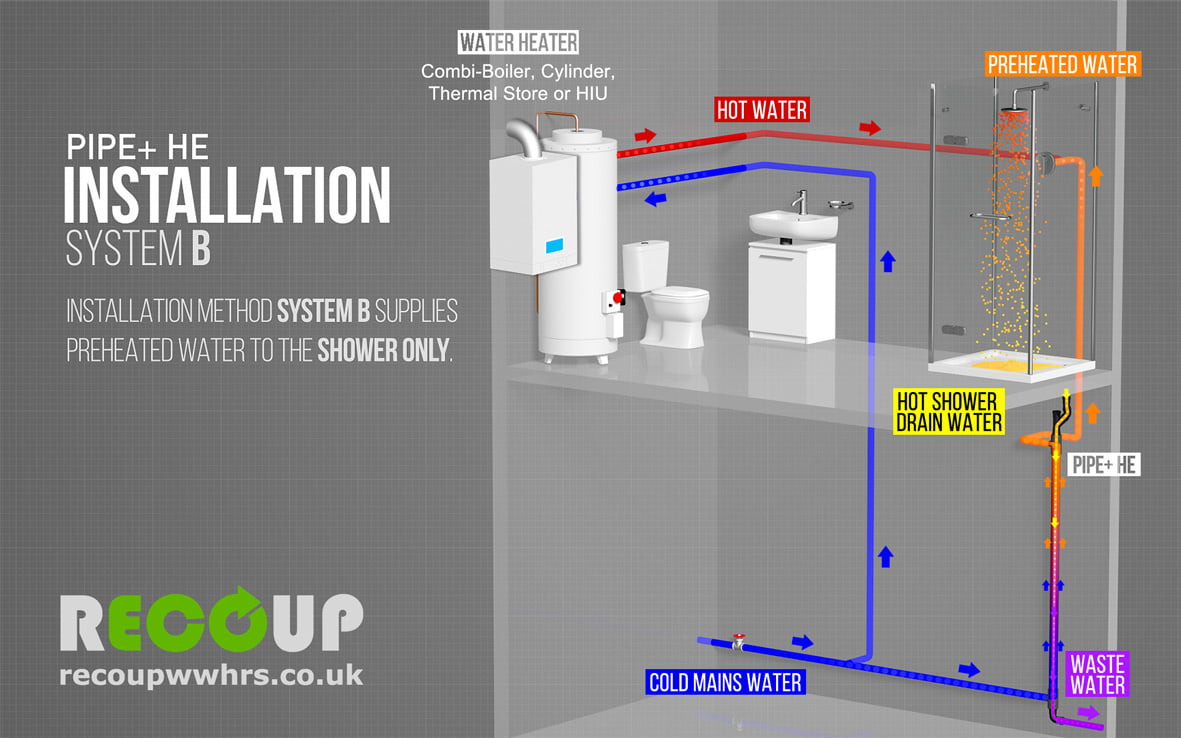
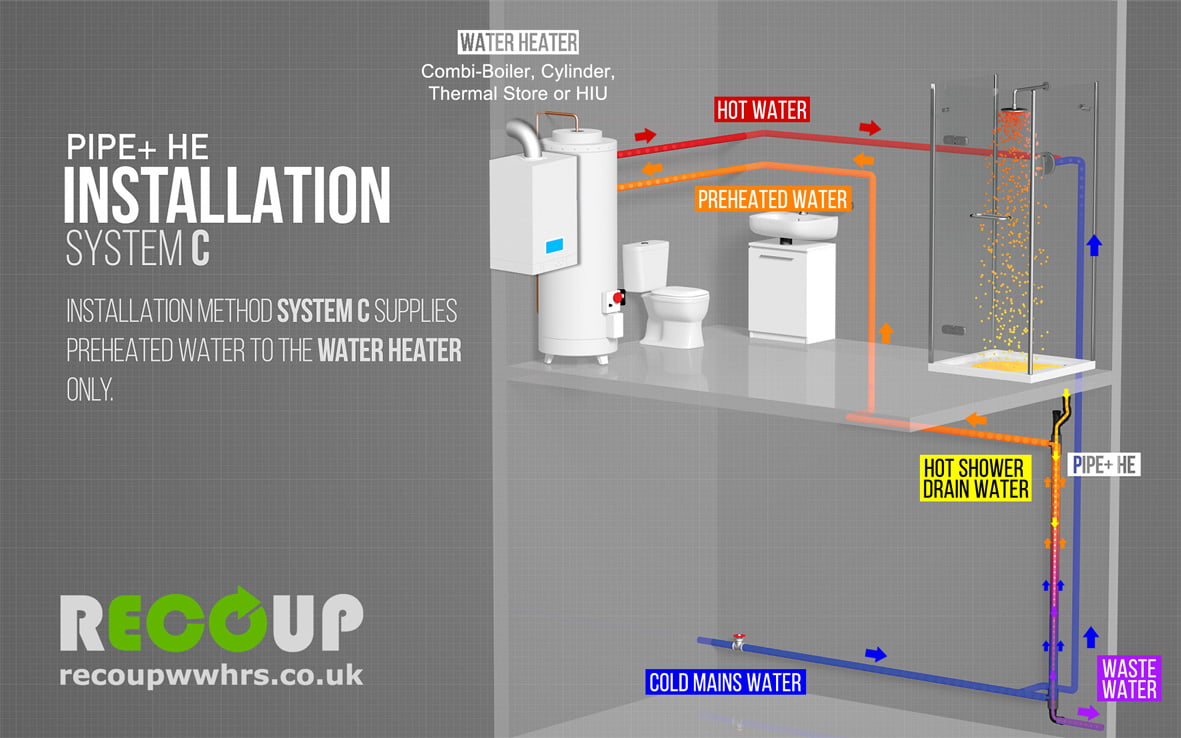
By recovering heat from shower waste water and using it to pre-warm incoming cold mains water, WWHRS reduces hot-water energy demand every time a shower is used. It lowers peak electrical demand, improves heat-pump efficiency and stability, and can support smaller cylinders and lower system costs. All without changing occupant behaviour.
From a technical perspective, this is one of the simplest and most effective ways to help low-temperature systems perform as intended. Learn more about how Recoup products support the Warm Homes Plan objectives.
Looking beyond headline technologies
As EPCs evolve, the Home Energy Model is introduced, and millions of homes are upgraded at pace, success will depend on more than just the technologies we install. It will depend on how energy is actually used inside homes – particularly for hot water.
Showers may not dominate policy headlines, but in the homes people live in every day, they matter more than ever. If we are serious about delivering affordable, low-carbon homes at scale, demand-side solutions like waste water heat recovery should be part of the conversation from the outset.
If you’d like to learn more about integrating waste water heat recovery into heat pump and low-temperature systems, explore which sectors are suitable and our suitable retrofit product range or get in touch with our technical team.

Recoup CPD Programme: Greener Learning, Real-World Impact
Waste Water Heat Recovery for ShowersAt Recoup, sustainability isn’t just a product feature; it’s a core value woven into everything we do. That...
Recoup WWHRS a cost and energy saving options for any shower
Waste Water Heat Recovery for ShowersCost and Energy Saving with Recoup WWHRS Recoup provides Waste Water Heat Recovery Systems (WWHRS) for Showers....

The Lovell Tomorrow Home featuring Recoup Pipe HEX
Waste Water Heat Recovery for ShowersRecoup’s shower waste water heat recovery system (WWHRS), the Recoup Pipe HEX, has been included in another...