Waste Water Heat Recovery for Showers
Future Homes Standard risks overlooking one of the biggest energy demands in UK housing
As the Future Homes Standard (FHS) moves closer to implementation, concerns are growing that one of the largest energy demands in future homes may not be receiving enough attention: hot water.
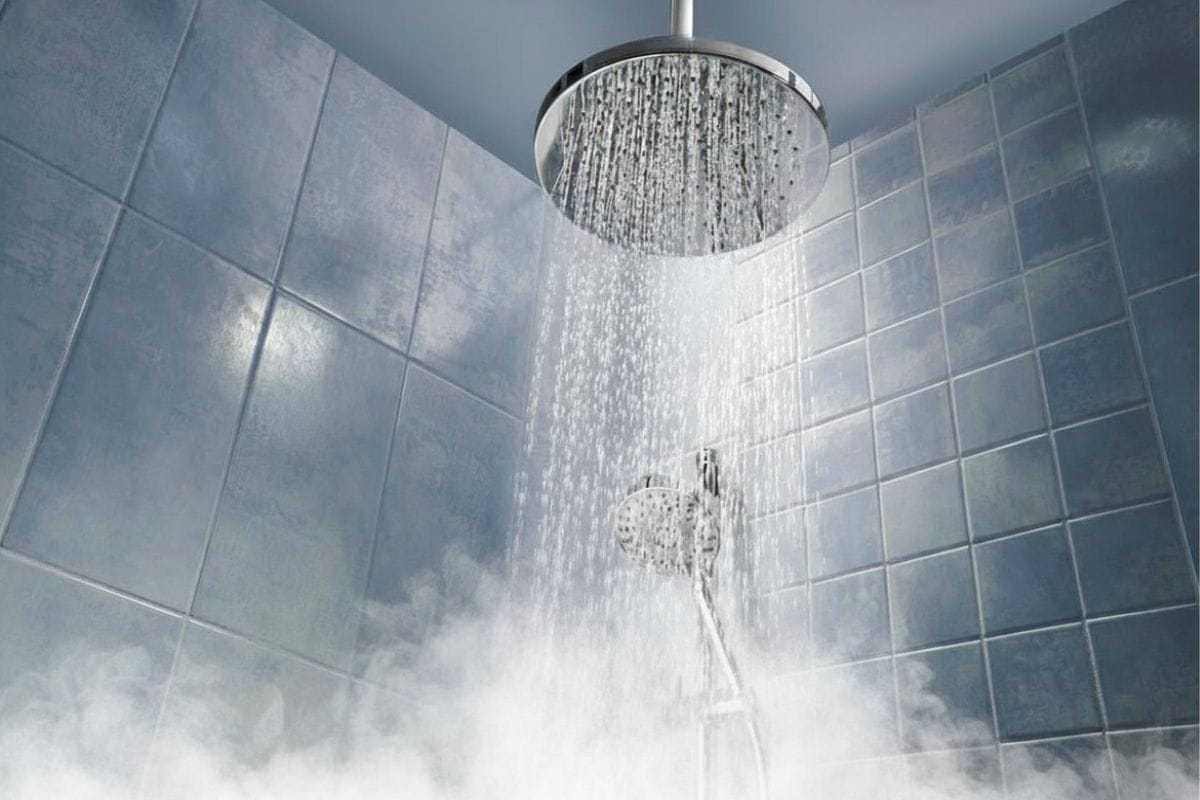
While the industry focus has centred around heat pumps, solar PV and fabric efficiency, domestic hot water (DHW) is expected to become an increasingly significant part of household energy use as homes become more thermally efficient.
Research referenced within a SEA paper for Part L 2013 identified that domestic hot water already accounts for around 35% of household energy demand. Under Future Homes Standard performance levels, that figure could rise to as much as 50% as space heating demand continues to reduce.
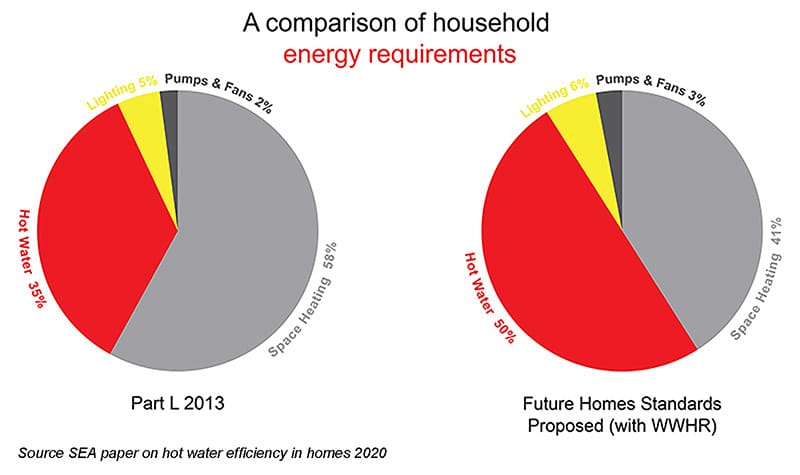
Despite this shift, we believe current SAP 10.3 compliance modelling risks reducing the influence of proven hot water efficiency technologies such as Waste Water Heat Recovery for Showers (WWHRS).
Although WWHRS remains included within the proposed notional dwelling specification for the Future Homes Standard, early modelling reviews suggest similar compliance levels can increasingly be achieved without incorporating hot water demand reduction systems.
This raises concerns that Future Homes compliance may become increasingly weighted towards energy generation technologies, despite the growing importance of reducing hot water demand itself.
Why hot water efficiency matters more in Future Homes
Ellis Maginn, Head of Technical & Specification at Recoup Energy Solutions, said:
“The Future Homes Standard needs to recognise not only how energy is generated within homes, but also how it is used every day.
“As space heating demand reduces, hot water becomes a much larger proportion of household energy consumption. That makes hot water efficiency and technologies like WWHRS increasingly important to future housing performance.
“Heat pumps are a key part of low-carbon housing, but reducing hot water demand must remain part of the overall strategy. Future Homes need a hot water plan, not just a heat pump specification.”
Why WWHRS matters in Future Homes
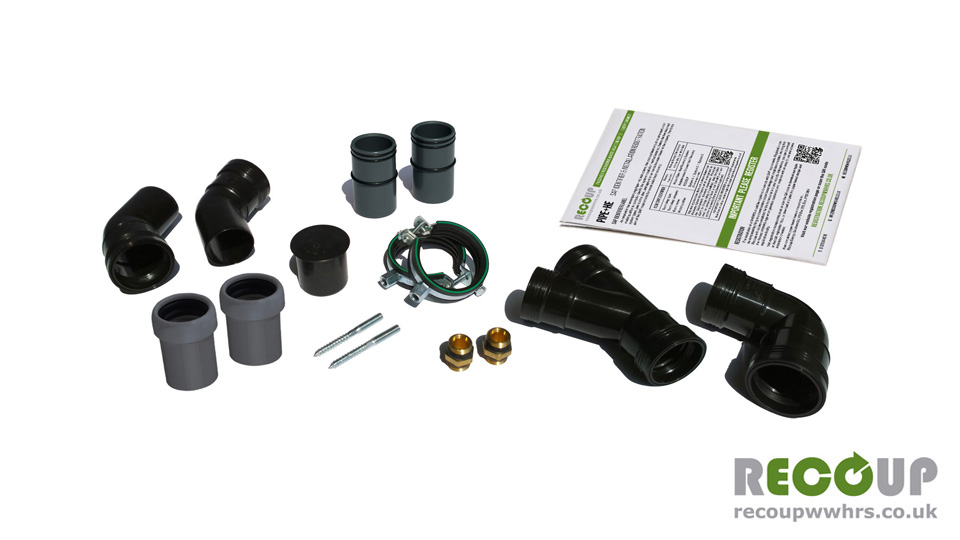
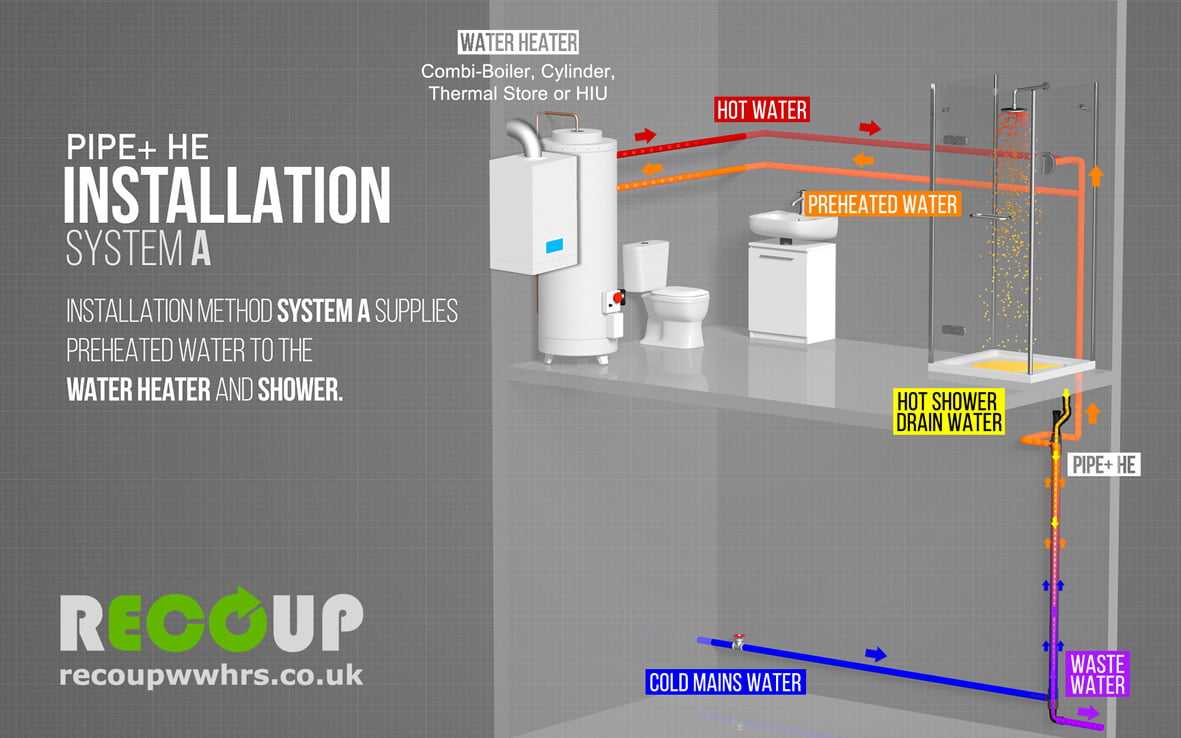
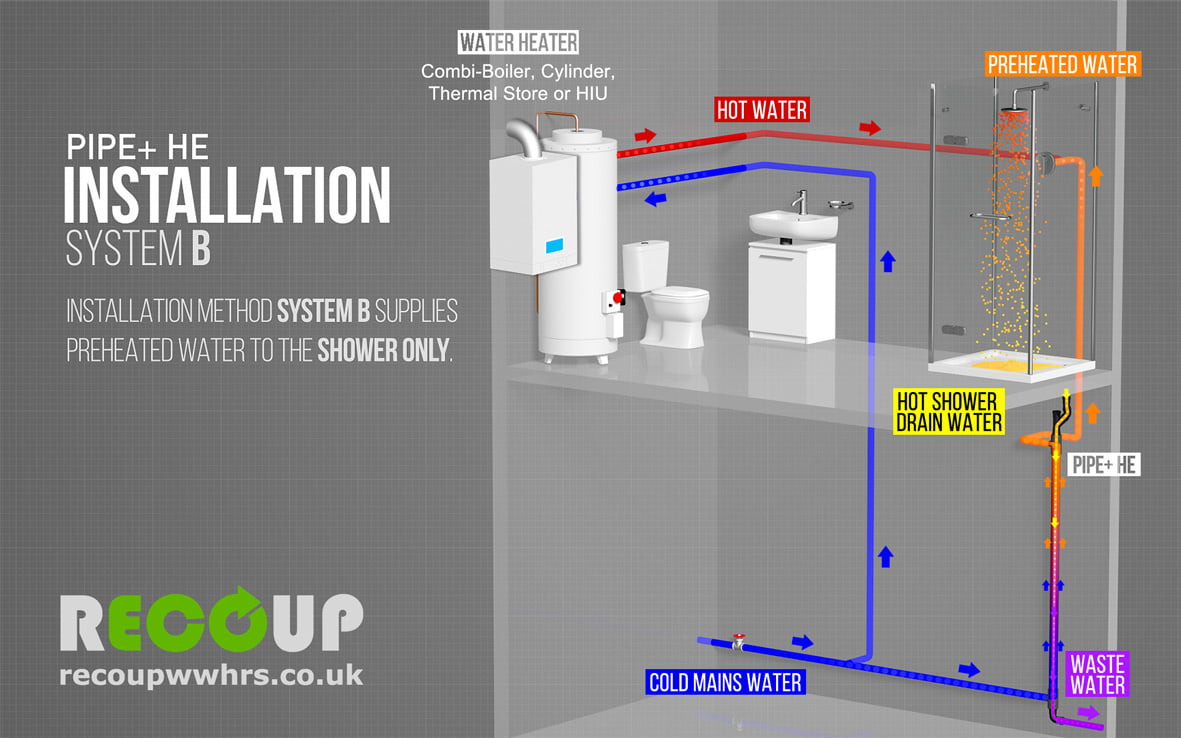
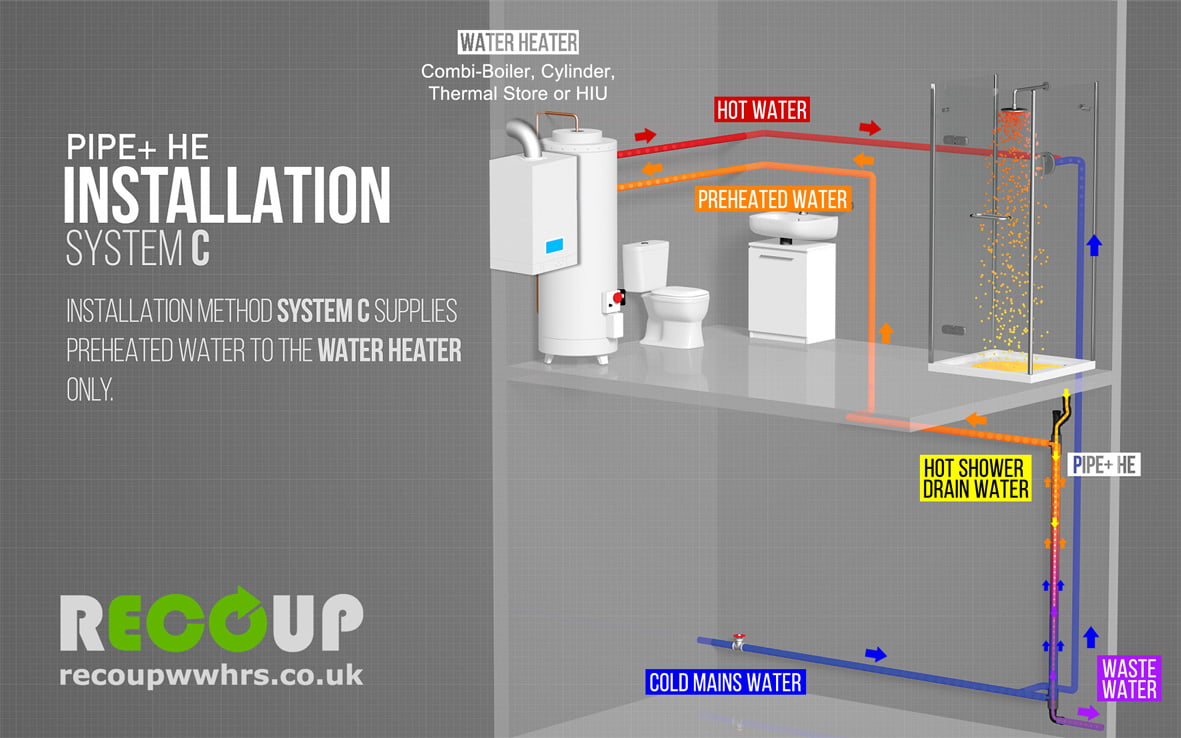
Waste Water Heat Recovery for Showers works by recovering heat energy from shower wastewater and transferring it into the incoming cold mains water supply, reducing the amount of energy required to produce hot water for showering.
Because up to 90% of shower heat energy typically goes down the drain, WWHRS provides a consistent year-round demand reduction benefit without requiring any user interaction, controls or planned maintenance.
We believe this demand-side approach will become increasingly important as homes continue to electrify and pressure on electrical infrastructure increases.

Energy Generation Alone Cannot Solve the Challenge
There are also concerns that an over-reliance on annualised energy generation figures could contribute to a mismatch between modelled and real-world performance outcomes.
Solar PV generation is highest during summer months, while hot water and heating demand are often highest during winter. WWHRS, by comparison, directly reduces hot water demand whenever a shower is used, providing consistent savings throughout the year.
With more than 160,000 homes fitted with Recoup and Showersave WWHRS systems since 2024, the technology has already become widely adopted across new-build housing specifications as developers look for practical ways to improve energy performance and reduce household running costs.
As the Future Homes Standard approaches implementation, we believe greater recognition should be given to hot water efficiency measures within future compliance methodologies to ensure homes are designed around both energy generation and energy reduction.
Future Homes performance will depend on how efficiently energy is used, not just how it is generated.